

Speech and language therapy empowers people to overcome their communication challenges. It has a positive impact on social, emotional, and academic wellness.
Through careful assessment, caring support, and expert treatment methods, we can instill confidence in your child and encouragement in your family.
Bloom specializes in treating speech-language and myofunctional disorders, including articulation, phonological processing, and childhood apraxia of speech.

Clear Speech Starts Here. Specialized Therapy That Gets Results.
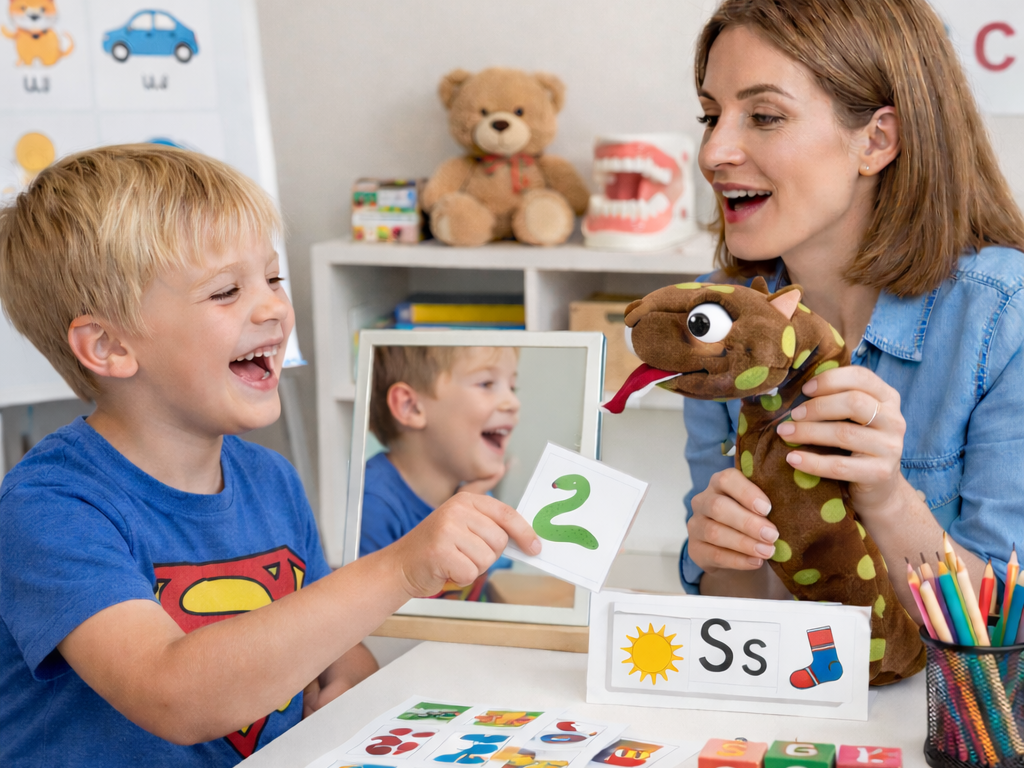
pediatric speech/language:
Speech Isn’t Clear, It’s Not “Just a Phase”
The Reality Most Parents Don’t Hear:
1 in 14 children in the U.S. has a speech, language, or voice disorder each year
Nearly 1 in 10 young children has a speech sound disorder
Up to 5% of children continue to struggle with speech into school age.
Why This Matters More Than You Think
Speech sound disorders don’t just affect how a child talks—they impact:
Confidence (avoiding speaking, frustration, withdrawal)
Academics (reading, spelling, phonemic awareness)
Social connection (being understood by peers and adults)
Without the right intervention, many children do not simply “grow out of it.”
What Makes Specialized Therapy Different
Most therapy focuses on practice.
Specialized therapy targets the cause of the speech breakdown.
Precise motor placement + coordination
Auditory discrimination + phonemic processing
Orofacial myofunctional patterns (when present)
Systematic generalization into real speech
This is how progress becomes faster, clearer, and lasting.
Work With a Specialist in Speech Sound Disorders
If your child is difficult to understand, has plateaued in therapy, or has been told to “wait and see,”
This is the moment to take a different approach.
Early, targeted intervention changes outcomes.

adult speech / language:
“Communication disorders affect nearly 18 million adults in the United States.
Speech-language therapy helps adults improve communication skills that support daily life, work, and social interaction.
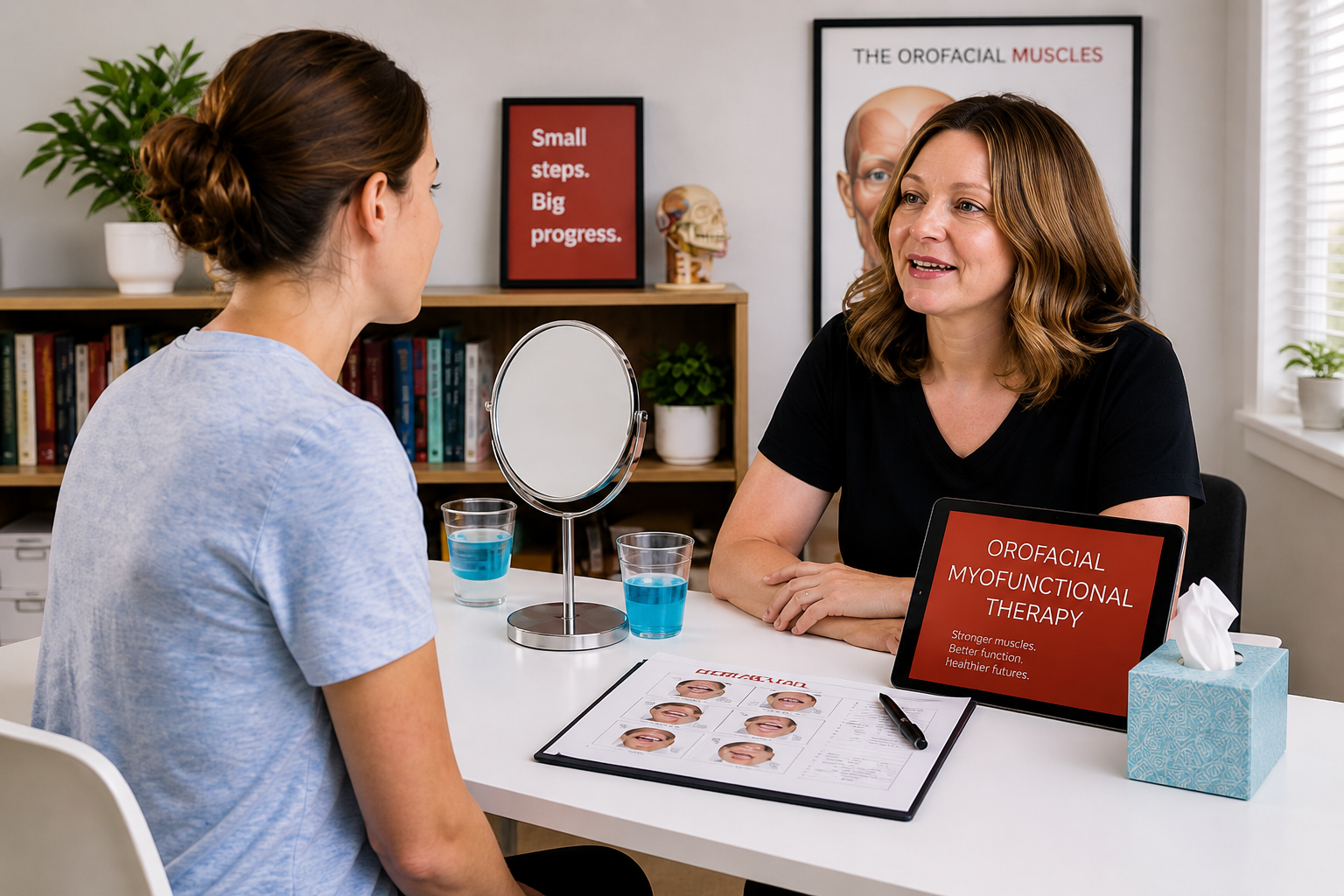
orofacial myofunctional:
“Research suggests that orofacial myofunctional disorders may occur in up to 38% of the general population and are frequently observed in children with speech sound disorders.”
Approach:
Empathy:
Communication disorders can feel stressful, frustrating, and isolating.
We care about your success and peace of mind. Our goal is understanding your unique challenges, so our speech-language therapy can support your daily life.
Expertise:
Dr. Nichole Wiltshire-Scala is a speech-language pathologist specializing in speech-sound disorders, including articulation, phonological, and childhood apraxia of speech. With more than two decades of clinical experience, she focuses on helping children with persistent or complex speech errors develop clear, intelligible speech.
Dr. Wiltshire-Scala combines advanced clinical training with evidence-based motor speech and phonological approaches to support lasting communication success.
Empowerment:
Providing the best support for a patient often involves the whole family.
Dr. Wiltshire-Scala helps parents understand why treatment is needed and how it works. Parents may also receive simple “homework” activities so that skills can be practiced at home and progress can continue between sessions.